
Introduction to Kidepo Valley National Park
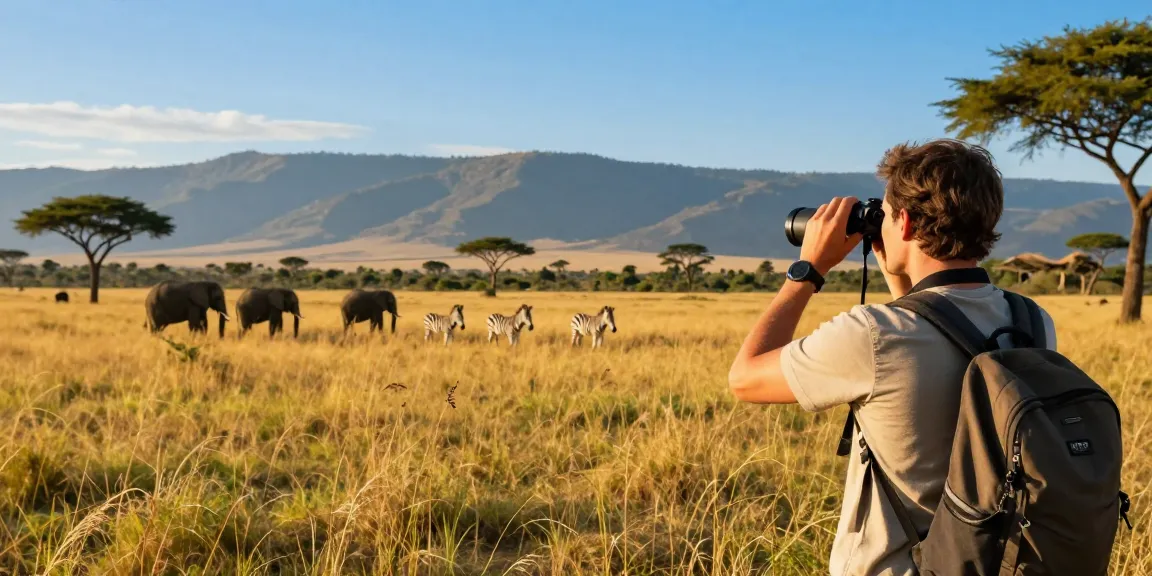
Kidepo Valley National Park, an untouched paradise in northeastern Uganda, is a treasure trove of biodiversity and natural beauty. Spanning over 1,442 square kilometers, the park is characterized by its dramatic savannah landscapes, rugged mountains, and diverse wildlife. It is often labeled as one of the most remote national parks in Uganda, bordered by Sudan to the north and Kenya to the east. This seclusion not only adds to its charm but also ensures a unique safari experience, where visitors can revel in the stillness and encounter nature in its purest form. With the guidance of NAGA2000, adventurers can explore Kidepo Valley’s hidden gems, promising unforgettable memories and encounters with wildlife.
What Makes Kidepo Valley Unique?
Kidepo Valley is distinct from other national parks in Uganda and Africa due to its unique topography and ecological diversity. The park’s landscape comprises vast savannahs, rolling hills, and a backdrop of the mystical Mount Morungole, which enhances its dramatic scenery. What sets Kidepo apart is its isolation, which leads to fewer tourists, allowing for a more intimate interaction with the wildlife. The park is home to a variety of ecosystems, including grasslands, acacia woodlands, and riverine forests, each supporting various species.
Moreover, Kidepo hosts species that are rarely seen in other parts of Uganda, such as the Karamojong giraffe, cheetah, and a plethora of bird species, making it a haven for wildlife enthusiasts and bird watchers alike. The rich cultural heritage of the local Karamojong people adds another layer of depth to the park’s offerings, making it not just a place for wildlife viewing, but also a destination for cultural explorations.
Key Wildlife Species to Spot
The wildlife at Kidepo Valley National Park is staggering in both variety and number. With over 77 species of mammals recorded, visitors may encounter the majestic African elephant, the elusive lion, and the endangered Rothschild giraffe. Other fascinating sightings include the large herds of buffalo, elusive leopards, and an array of antelope species. Bird lovers will be thrilled with over 475 recorded species, including the renowned African fish eagle and the striking secretary bird, ensuring that each visit is full of delightful surprises.
Why Choose NAGA2000 as Your Travel Guide?
NAGA2000 stands out as a premier travel guide for Kidepo Valley National Park due to its comprehensive knowledge and dedication to providing travelers with an exceptional experience. From tailored safari packages to insider tips on the best viewing spots, NAGA2000 ensures that every traveler can maximize their visit. Their expertise includes understanding the seasonal wildlife movements, ideal times for photography, and cultural interactions that make the journey truly memorable.
Planning Your Visit
Planning a trip to Kidepo Valley requires thoughtful preparation, particularly given its remote location. With guidance from NAGA2000, travelers can navigate their way smoothly to this hidden gem of Uganda, ensuring an unforgettable adventure awaits them.
Best Times to Visit Kidepo Valley
The best time to visit Kidepo Valley National Park is during the dry seasons, which typically run from June to September and December to February. During these months, wildlife congregates around water sources, making game viewing exceptionally rewarding. This is also when the park’s roads are in the best condition, facilitating easier access to various wildlife viewing locations.
Traveling to Kidepo: Options and Tips
Getting to Kidepo Valley National Park can be an adventure in itself. Visitors have several options, including taking a charter flight from Entebbe International Airport, which significantly reduces travel time to about two hours. Alternatively, adventurous travelers can opt for a road trip, which takes approximately 10-12 hours. This drive, while longer, offers stunning views and a glimpse into rural Ugandan life, making it a compelling option for many.
- Flight: Charter flights are available and provide a quick and scenic route to the park.
- Road Travel: A drive through Gulu and Kitgum is recommended for those wanting to experience the local culture.
- Transportation Tips: Consider hiring a local guide or booking through a trusted travel service to navigate the area efficiently.
Essential Packing List for Safari
When preparing for a safari in Kidepo Valley, it’s crucial to pack wisely to ensure comfort and safety. Essential items include:
- Comfortable and breathable clothing, preferably in neutral colors
- Hiking boots for walking safaris
- Sun protection: hats, sunglasses, and sunscreen
- Binoculars for wildlife viewing
- A good camera with extra batteries and memory cards
- Insect repellent to ward off pesky bugs
- A first aid kit with necessary medication
Safari Activities in Kidepo Valley
Kidepo Valley offers a diverse range of activities that cater to adventure seekers and nature lovers alike. From thrilling game drives and walking safaris to cultural encounters with the Karamojong people, there’s something for everyone.
Game Drives: Morning vs. Evening
Game drives are the highlight of any safari in Kidepo. Morning drives typically offer cooler temperatures and higher chances of spotting active wildlife, while evening drives provide a unique opportunity to witness the landscape bathed in golden light, with nocturnal animals beginning to emerge. Experienced guides lead these drives, ensuring that guests have the best chance of witnessing the park’s diverse wildlife.
Guided Walking Safaris: What to Expect
For those looking to delve deeper into the wilderness, guided walking safaris provide a thrilling and immersive experience. Led by knowledgeable rangers, these walks allow visitors to connect with nature on a more intimate level. Expect to learn about the smaller ecosystem, track animal footprints, and enjoy breathtaking views from vantage points unique to the park.
Cultural Encounters with the Karamojong People
Engaging with the local Karamojong community enhances the safari experience. Visitors can participate in cultural exchanges, learning about traditional customs, music, and dance. This immersive experience allows travelers to appreciate the coexistence of wildlife and local cultures, fostering a deeper understanding of the region.
Accommodations and Amenities
Choosing the right accommodation greatly impacts the safari experience. Kidepo Valley provides various options, from luxury lodges to basic campsites, catering to different preferences and budgets.
Best Lodges near Kidepo Valley
- Kidepo Savannah Lodge: Offers luxurious tented accommodations with breathtaking views and superb service.
- Apoka Safari Lodge: Known for its eco-friendly design and proximity to wildlife hotspots.
- Budget Options: Various campsites are available for those preferring a more rustic experience.
Camping vs. Luxury Tents: Choosing Your Experience
Travelers can choose between luxury tented camps, which provide comfort and modern amenities, or more traditional camping experiences for those who enjoy connecting with nature. Consider your preferences for comfort and adventure when making this choice.
Dining Options within the Park
Dining experiences in Kidepo Valley are as diverse as its wildlife. Most lodges offer delicious meals prepared using fresh, local ingredients. Guests can expect a mix of local Ugandan cuisine and international dishes, ensuring a satisfying culinary adventure after a day of exploration.
Safety and Wildlife Etiquette
Ensuring safety while enjoying the natural beauty and wildlife of Kidepo Valley is paramount. Adhering to wildlife etiquette enhances not only personal safety but also the well-being of the wildlife.
Staying Safe in the African Wilderness
When participating in safaris or outdoor activities, follow safety guidelines provided by your guides. Always remain in your vehicle during game drives and listen to instructions regarding wildlife encounters. It’s essential to respect the animals and maintain a safe distance to ensure both your safety and theirs.
Respecting Wildlife: Best Practices
Understanding and respecting wildlife is crucial. Never feed animals, as this can disrupt their natural behavior and habitat. Additionally, keeping noise levels to a minimum helps minimize stress on wildlife and allows for better viewing opportunities.
Emergency Contacts and Resources
Before embarking on your adventure, ensure you have emergency contact numbers readily available. This includes your accommodation, park authorities, and personal emergency contacts. Staying informed and prepared is key to a safe and enjoyable experience.
What Should You Do in Case of an Encounter?
In the event of a close encounter with wildlife, remain calm and follow the instructions of your guide. Avoid sudden movements or loud noises, as this can startle the animals. The best approach is to observe quietly and take in the moment, as these interactions can be both thrilling and educational.