
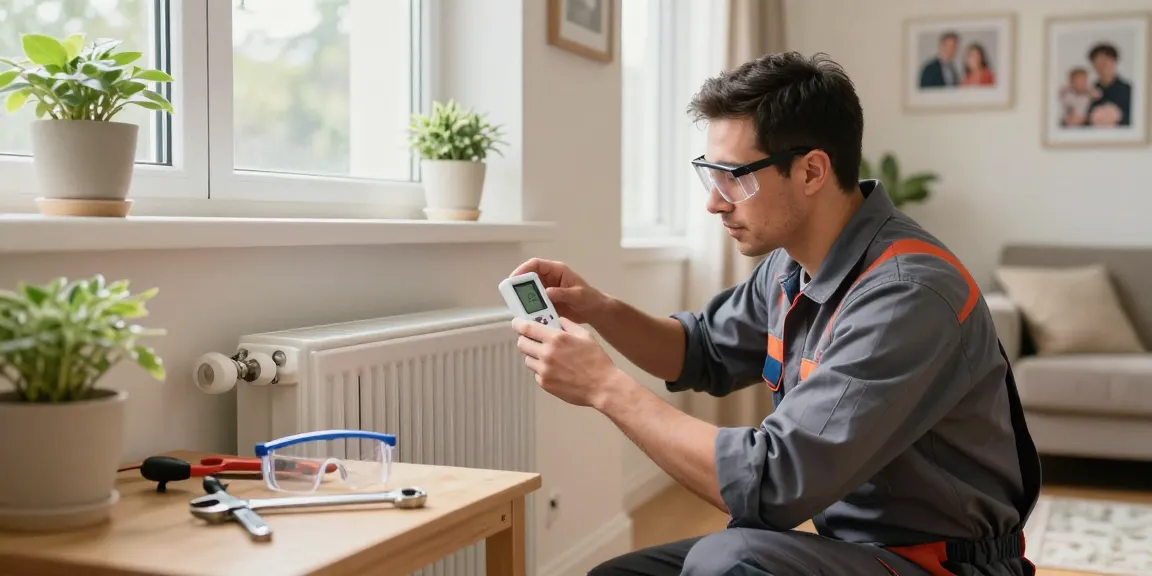
Understanding the Role of a Heating Engineer in Bedford
In Bedford, as in many places, the comfort of your home largely hinges on the efficiency of your heating system. Whether it’s the dead of winter or the chill of early spring, a reliable heating system ensures that your family remains warm and cozy. A heating engineer in Bedford plays a crucial role in this regard, providing essential services ranging from installations to emergency repairs. When exploring options, heating engineer in Bedford services offer comprehensive insights into maintaining optimal temperature control in your living spaces.
What Services Do Heating Engineers Offer?
Heating engineers provide a spectrum of services tailored to meet the heating needs of homeowners and businesses alike. Some of the key services include:
- Installation of Heating Systems: Whether it’s a new boiler, radiator, or underfloor heating, a heating engineer can ensure proper installation that adheres to safety standards.
- Routine Maintenance: Regular checks can prevent unexpected breakdowns and extend the lifespan of heating systems.
- Repairs: Diagnosing and fixing faults in heating systems is a crucial part of a heating engineer’s role, ensuring your home stays warm.
- Energy Efficiency Upgrades: Many engineers now specialize in making heating systems more efficient, which can lower energy bills and reduce environmental impact.
Why Hiring a Professional is Essential
While some homeowners may feel confident tackling heating issues themselves, hiring a professional ensures safety and compliance with regulations. Incorrect installations or repairs can lead to serious hazards such as gas leaks or fire risks. Furthermore, professionals have the expertise to identify underlying problems that might not be immediately apparent, thus preventing more significant issues down the line.
Common Qualifications and Certifications
Heating engineers must possess certain qualifications to perform their jobs effectively and legally. In the UK, relevant certifications include:
- Gas Safe Register: This is mandatory for anyone working with gas appliances.
- City & Guilds Certifications: These provide rigorous training in installation, maintenance, and repair methods.
- Oftec Qualifications: For engineers working with oil heating systems, specific certifications are required.
Choosing the Right Heating Engineer for Your Needs
Selecting the right heating engineer is paramount. The right professional can make a significant difference in the performance and reliability of your heating system.
Factors to Consider When Hiring
When choosing a heating engineer, consider factors such as:
- Experience: Look for engineers with a solid track record and experience dealing with similar heating systems.
- Specialization: Some engineers may specialize in specific types of heating systems, such as gas, electric, or renewable heating options.
- Customer Service: A good heating engineer should communicate effectively and be responsive to inquiries and issues.
How to Verify Credentials and Experience
It is essential to ensure that your chosen heating engineer has the proper credentials. You can verify this by:
- Asking for their Gas Safe Registration number or other relevant certifications.
- Checking online databases or regulatory bodies for verification of their qualifications.
- Inquiring about their experience and any specialties they might have.
Reading Reviews and Testimonials Effectively
Customer reviews and testimonials can give insight into the quality of a heating engineer’s work. Look for:
- Overall ratings and trends over time.
- Diversity of reviews, emphasizing different aspects of their service.
- Responding to both positive and negative feedback, which shows a commitment to customer service.
Common Issues Addressed by Heating Engineers
Heating engineers frequently encounter a variety of common issues that can arise in residential heating systems. Understanding these can help homeowners recognize when to seek help.
Identifying Heating System Failures
Common signs that indicate a malfunctioning heating system may include:
- No heat or inconsistent heating throughout the home.
- Unusual noises from the system, such as banging or hissing.
- Higher than usual energy bills, which may indicate inefficiencies.
Preventative Maintenance Tips for Homeowners
To avoid major heating failures, homeowners should consider the following preventative maintenance tips:
- Schedule annual maintenance checks with a certified heating engineer.
- Regularly change filters in forced-air systems to enhance efficiency.
- Bleed radiators periodically to eliminate trapped air and enhance heating performance.
Upgrading or Replacing Old Heating Systems
In many cases, aged heating systems may need replacement rather than repair. Signs that upgrading might be necessary include:
- Systems over 15 years old, as they are likely to be less efficient.
- Frequent repairs that lead to increased downtime and costs.
- Poor heating performance, where rooms never seem to reach desired temperatures.
Understanding Costs and Budgeting for Services
Budgeting for heating services can be challenging, but having a clear understanding of costs is vital. Knowing the average costs in Bedford can help you plan effectively.
Average Costs for Heating Engineer Services in Bedford
The costs associated with hiring a heating engineer can vary based on several factors, including:
- The complexity of the job (simple repairs versus complete installations).
- Time required for the job, which can affect labor costs.
- Type of heating system and the parts required, which can fluctuate in price.
How to Get Accurate Quotes and Estimates
To obtain precise quotes, homeowners should:
- Request multiple quotes from different engineers to compare costs and services.
- Clarify any additional fees that may apply (e.g., emergency call-out fees).
- Ensure that estimates include details of the work proposed and timescales involved.
Financial Incentives for Energy-Efficient Upgrades
Investing in energy-efficient heating solutions can often bring long-term savings. Various financial incentives may be available, such as:
- Government grants or subsidies for energy-efficient upgrades.
- Tax credits available for renewable energy installations.
- Lower energy bills resulting from improved energy efficiency.
Future Trends in Heating Engineering
The heating engineering industry is continually evolving, driven by advancements in technology and the increasing demand for sustainable solutions.
Emerging Technologies in Home Heating
Innovations such as smart thermostats and IoT-enabled heating systems are becoming increasingly prevalent. These technologies allow for:
- More precise temperature control, enhancing comfort while reducing waste.
- Remote monitoring and management of heating systems via smartphones.
Eco-Friendly Heating Solutions to Consider
As environmental concerns grow, many homeowners are looking into eco-friendly heating solutions, including:
- Heat pumps, which transfer heat rather than generate it, making them efficient.
- Solar heating systems that utilize renewable energy sources.
The Importance of Staying Updated on Regulations
Heating engineers must keep abreast of regulations governing heating systems, especially as energy efficiency standards evolve. Compliance ensures safety and efficiency, which benefits both homeowners and the environment.
What certifications should a heating engineer have?
A heating engineer should possess certifications such as Gas Safe Registration, as well as relevant City & Guilds or Oftec qualifications to demonstrate their competence in the field.
How often should I schedule maintenance for my heating system?
It is advisable to schedule maintenance at least once a year to ensure that your heating system operates efficiently and safely throughout the year.
What are the common signs that indicate a heating system problem?
Signs include inconsistent heating, unusual noises, and increased energy bills, all of which suggest that a heating system may need professional attention.
Are energy-efficient heating solutions worth the investment?
Yes, while the initial investment may be higher, energy-efficient heating solutions often lead to significant savings on energy bills and provide comfort improvements over time.
How to prepare my home for a heating engineer’s visit?
Prior to the visit, homeowners should clear areas around heating units, provide access to all relevant rooms, and compile a list of concerns to discuss with the engineer.