
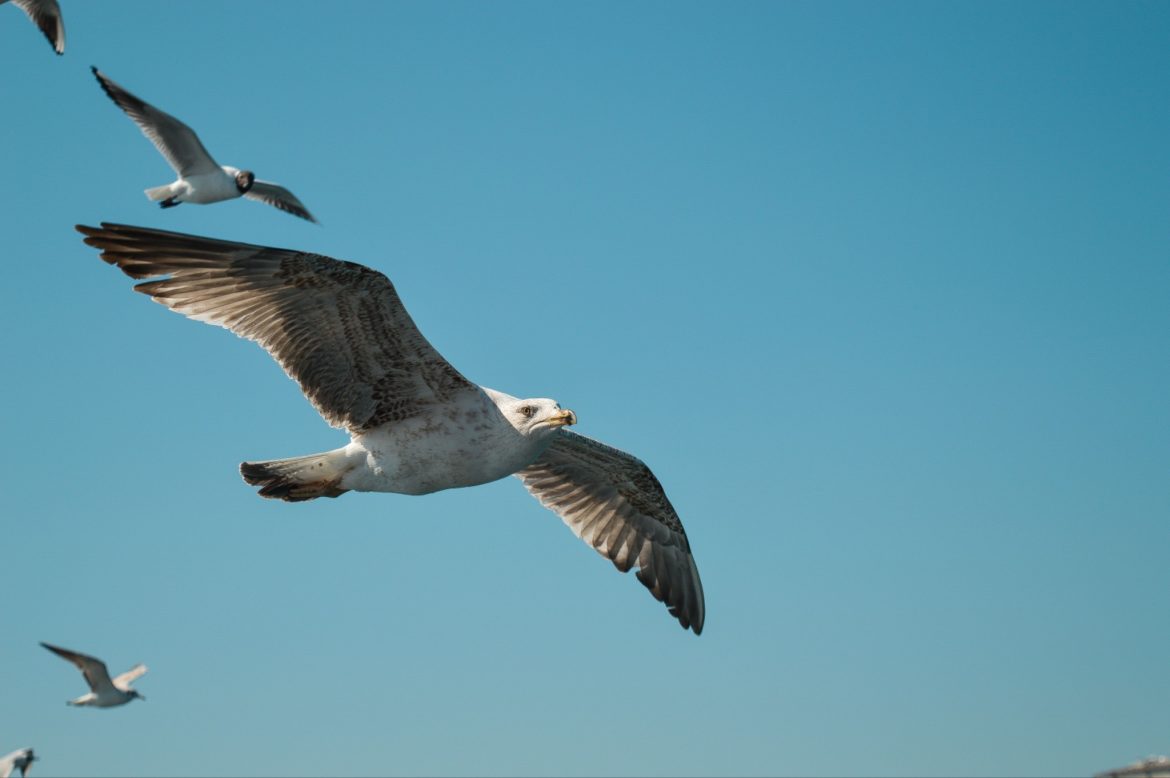
Living near the coast offers many advantages, from stunning ocean views to easy access to beaches, marinas, and waterfront activities. However, coastal homes, harbours, and waterfront businesses often face a common challenge: seagulls.
While seagulls are an important part of coastal ecosystems, they can become a nuisance when they begin nesting on rooftops, gathering around properties, or scavenging for food. Their droppings can damage buildings and vehicles, their calls can create noise disturbances, and nesting activity can lead to blocked gutters and maintenance problems. Fortunately, there are several effective and humane ways to manage seagull activity and protect coastal properties from long-term damage.
Why Seagulls Are Attracted to Coastal Properties
Seagulls naturally thrive in coastal environments. Harbours, marinas, beaches, and waterfront communities provide easy access to food, water, and safe nesting locations.
Modern buildings often make ideal nesting sites. Flat rooftops, chimneys, balconies, and roof ledges can resemble the rocky cliffs where gulls would naturally breed. Once seagulls establish a nesting site, they tend to return year after year, making early intervention important. Properties near fishing harbours, restaurants, outdoor dining areas, and busy waterfronts may experience particularly high levels of gull activity due to the availability of food.
The Problems Caused by Seagulls
Although many people enjoy seeing wildlife near the coast, large populations of seagulls can create significant challenges for property owners. Common issues include accumulation of bird droppings, damage to roofing materials and building surfaces, blocked gutters and drainage systems caused by nesting materials, noise from nesting colonies and aggressive behaviour when protecting nests or searching for food. For businesses operating in marinas, harbours, and waterfront commercial areas, seagulls can also affect customer experience and increase maintenance costs.
Reduce Food Sources
One of the most effective ways to discourage seagulls is to remove easy access to food. Gulls are opportunistic feeders and quickly learn where reliable food sources are available. Property owners can reduce bird activity by ensuring rubbish bins are securely closed with tight-fitting lids, regularly cleaning outdoor dining and seating areas, and avoiding the intentional feeding of birds. In coastal communities and marina environments, it is also important to properly store fishing bait and dispose of food waste responsibly. By limiting access to food, property owners make their buildings and surrounding areas far less attractive to large groups of seagulls, encouraging them to move elsewhere in search of resources.
Install Bird Spikes on Common Landing Areas
Seagulls often prefer elevated locations where they can observe their surroundings. Roof edges, signs, lighting structures, and ledges are popular resting spots. Bird spikes can prevent gulls from landing on these surfaces without causing injury. By eliminating comfortable perching locations, spikes encourage birds to seek alternative sites away from the property. Bird spikes are particularly useful for homes with recurring rooftop activity and commercial buildings located near harbours or waterfront areas.
Use Visual Bird Deterrents
Visual deterrents can be highly effective in coastal environments where open spaces provide excellent visibility. Products such as predator decoys, reflective deterrents, and bird scarer kites work by creating the appearance of danger. Seagulls are naturally cautious around predators and may avoid areas where they perceive a threat.
Bird Busters offers a range of visual bird deterrents designed to help property owners manage nuisance bird activity in a humane and environmentally friendly way. These solutions can be especially useful for larger coastal properties, marina facilities, waterfront businesses, and homes with open roof spaces. To maintain effectiveness, visual deterrents should occasionally be moved or repositioned so birds do not become familiar with them.
Protect Boats and Marina Facilities
Marina owners and boat owners face unique challenges when it comes to seagull control. Boats provide elevated perching points and sheltered areas that gulls often use for resting.
Regular cleaning, deterrent systems, and physical barriers can help reduce bird activity on vessels and marina infrastructure. Installing bird deterrents before nesting season begins is often the most effective approach. By preventing birds from becoming established, marina operators can reduce maintenance requirements and improve the experience for visitors and boat owners alike.
Conclusion
Seagulls are a familiar part of life in coastal communities, but they do not have to take over your property. By reducing food sources, preventing nesting opportunities, and using humane bird deterrents, homeowners and harbour operators can significantly reduce gull activity.
Whether you own a waterfront home, manage a marina, or operate a business near the coast, implementing a combination of effective bird control measures can help protect your property while maintaining a safe and welcoming environment. With the right strategy, it is possible to enjoy coastal living without the problems associated with nuisance seagulls.