
A durable and visually appealing wall finish depends on much more than paint selection. Surface preparation, material compatibility, and application quality all contribute to the final appearance and long-term performance of residential and commercial spaces.
Builders, contractors, architects, and homeowners increasingly focus on products that improve smoothness, adhesion, and durability. Among the essential materials used during wall preparation, skim coat powder plays an important role in creating a refined surface before decorative finishes are applied.
- Understanding the Importance of Surface Preparation
- Key Characteristics of High-Quality Wall Finishing Materials
- The Role of Wall Putty in Interior and Exterior Finishes
- How Gypsum-Based Products Support Modern Construction
- Factors That Influence Material Selection
- Why Product Quality Matters for Project Outcomes
- Final Thoughts
Understanding the Importance of Surface Preparation
Every successful painting or finishing project begins with proper substrate preparation. Uneven surfaces, hairline cracks, and minor imperfections can affect both appearance and durability if they are not addressed before the finishing stage.
A properly prepared wall creates a stronger foundation for coatings and decorative treatments. This approach helps improve paint performance while reducing maintenance requirements over time, making preparation a critical step rather than an optional one.
Eliminating Surface Imperfections
Minor dents, pores, and uneven patches can become highly visible after paint application. Appropriate preparation materials help create a more uniform substrate that supports a professional finish.
Improving Paint Adhesion
When walls are smooth and properly treated, paints and coatings bond more effectively. Enhanced adhesion often contributes to improved durability and better visual consistency.
Supporting Long-Term Performance
Prepared surfaces are generally less susceptible to premature peeling, flaking, and surface deterioration. This allows decorative finishes to maintain their appearance for longer periods.
Creating Consistent Texture
Uniform wall texture contributes significantly to the final aesthetic outcome. Proper preparation helps achieve a balanced and attractive finish across large surface areas.
Key Characteristics of High-Quality Wall Finishing Materials
Selecting suitable construction materials requires careful evaluation of performance characteristics. Products designed for wall preparation should offer strength, workability, and compatibility with various substrates.
Manufacturers continue improving formulations to meet modern construction requirements. As a result, advanced wall finishing products often deliver enhanced application efficiency while supporting consistent project outcomes.
Important characteristics include:
● Smooth application properties
● Strong bonding capability
● Crack resistance
● Uniform texture development
● Moisture tolerance
● Consistent finish quality
These attributes contribute to improved workmanship and help construction professionals achieve reliable results across different project types.
The Role of Wall Putty in Interior and Exterior Finishes
Wall putty remains one of the most widely used materials during the finishing process. Applied before painting, it helps create a smooth surface while enhancing the overall appearance of walls and ceilings.
Modern formulations are designed to improve surface strength and provide better coverage. Quality putty products can also assist in minimizing visible defects, helping painters achieve more refined decorative outcomes.
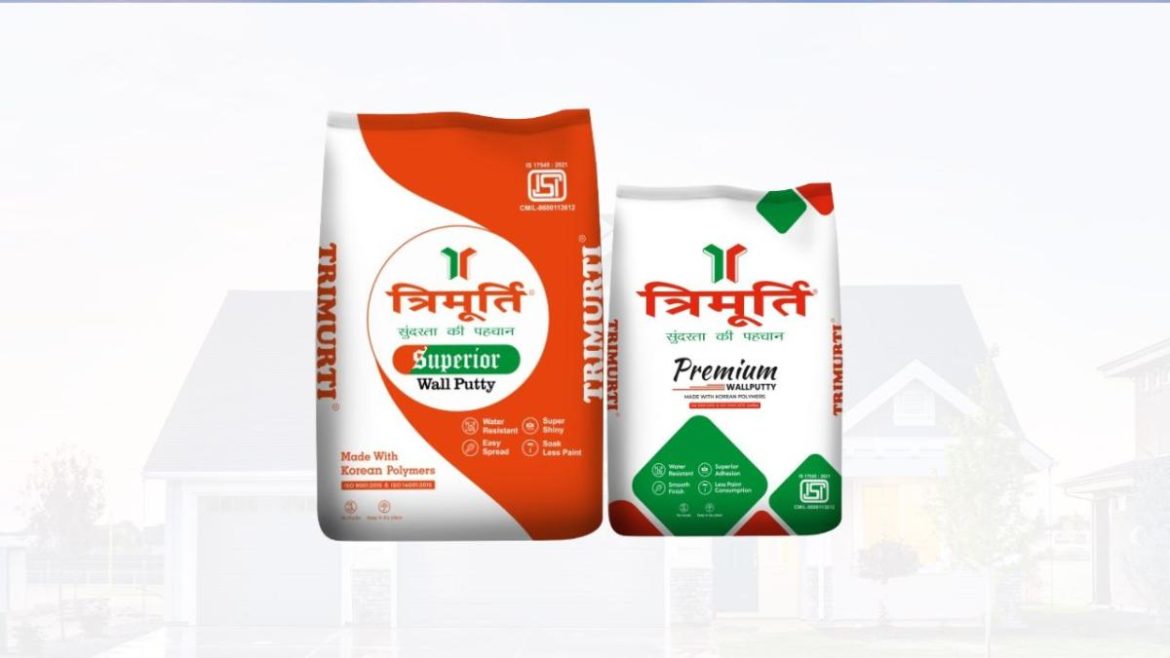
Construction professionals frequently evaluate several factors when selecting the best wall putty in India. Performance consistency, ease of application, finish quality, and compatibility with different surfaces often influence purchasing decisions.
Many projects benefit from products that provide improved whiteness, strong adhesion, and resistance to common surface issues. These characteristics help support both aesthetic goals and long-term durability requirements.
How Gypsum-Based Products Support Modern Construction
Gypsum-derived materials have become increasingly popular due to their versatility and application efficiency. These products are widely used for wall finishing, ceiling solutions, decorative detailing, and surface enhancement applications.
Contractors often prefer gypsum-based systems because they support smooth finishes and streamlined installation processes. Their adaptability makes them suitable for both residential and commercial developments.
Plaster Applications
Gypsum plaster solutions help create smooth wall and ceiling surfaces while reducing the need for extensive finishing work. Their application efficiency can support faster project completion.
Decorative Ceiling Work
Architectural ceilings often incorporate gypsum materials due to their flexibility and clean appearance. Designers frequently use these systems to create customized visual effects.
Contractors also appreciate gypsum products for their ability to deliver consistent results across large installations. Properly applied systems contribute to attractive interiors while supporting project quality objectives.
Many construction projects incorporate gypsum solutions alongside complementary finishing materials. This integrated approach often enhances both productivity and final surface appearance.
Factors That Influence Material Selection
Construction professionals typically assess multiple considerations before choosing wall finishing products. The intended application, environmental conditions, and project specifications all influence material requirements.
Budget considerations remain important, yet long-term performance frequently carries equal weight. Materials that offer durability and application efficiency can provide greater overall value throughout a structure’s lifecycle.
Common evaluation criteria include:
● Surface compatibility
● Coverage efficiency
● Ease of mixing
● Application consistency
● Durability expectations
● Maintenance requirements
A comprehensive evaluation process helps stakeholders identify products that align with project goals while supporting quality construction practices.
Manufacturers offering diversified product portfolios can simplify procurement by providing multiple compatible solutions. This allows contractors to maintain consistency throughout various stages of construction and finishing work.
Why Product Quality Matters for Project Outcomes
Material quality directly affects installation efficiency and long-term performance. Even experienced applicators may encounter challenges when using inconsistent or poorly formulated products.
Reliable manufacturing standards contribute to predictable performance and better construction outcomes. Many builders prioritize products that meet recognized quality benchmarks and support dependable application processes.
Consistent quality not only benefits contractors but also supports property owners seeking durable and visually appealing finished spaces. Strong materials help protect investments while contributing to long-lasting structural aesthetics.
Final Thoughts
Could the right finishing materials dramatically improve both appearance and durability? Strong surfaces begin with informed product selection, and every layer contributes to the final result. From wall preparation to decorative finishing, choosing dependable solutions helps create structures that maintain their visual appeal for years.
A commitment to quality often separates average outcomes from exceptional ones. Positioned among established construction material manufacturers, Trimurti offers an extensive range of wall care, gypsum, waterproofing, ceiling, paint, and tile-fixing solutions designed for modern building requirements. For professionals comparing product value and performance, understanding factors that influence Trimurti POP price can support smarter purchasing decisions while maintaining project quality standards.