Overview of Robotics Innovations in 2026
The rapid evolution of robotics technology has reached remarkable heights as we move further into 2026. Innovators are redefining what is possible in the field, from enhancing traditional humanoid robots to integrating sophisticated AI systems. Today, organizations worldwide are leveraging breakthroughs in robotics to revolutionize various industries, enhancing productivity and user experience. For those looking to stay informed about the latest advancements, Robot 24 provides comprehensive insights into these transformative developments.
Key Developments in Humanoid Robotics
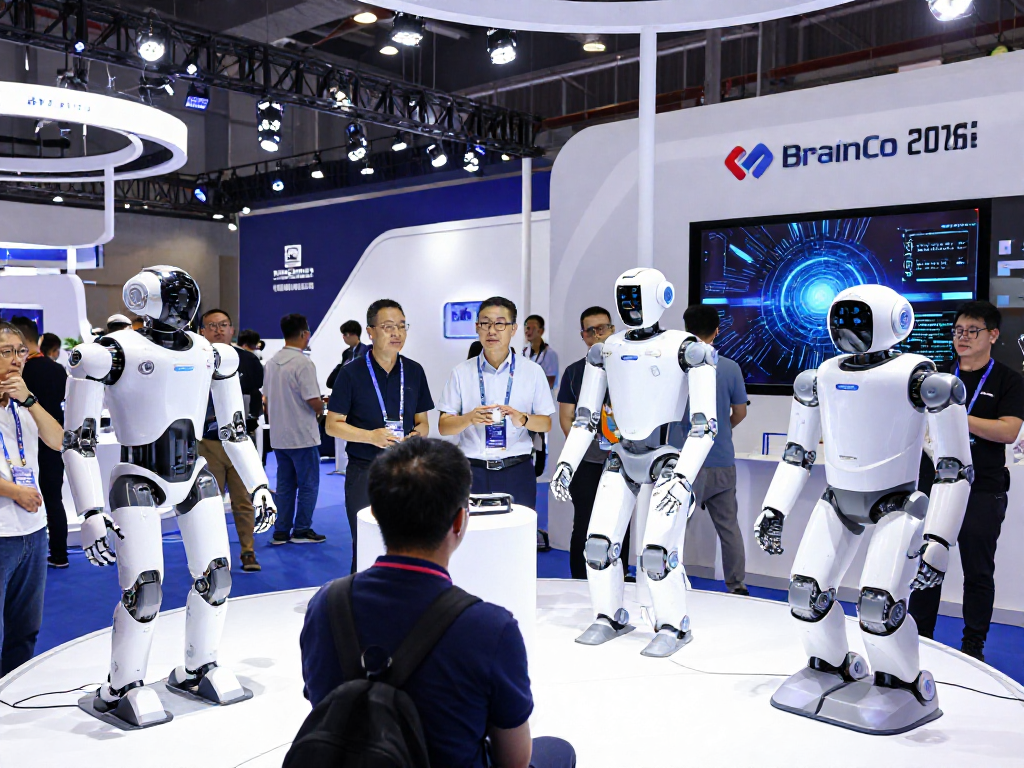
Recent announcements from major technology firms have showcased significant advancements in humanoid robotics. For instance, BrainCo has unveiled a brain-to-robot AI platform capable of executing complex tasks, such as preparing cuisines, which was highlighted during a live cooking demonstration. The integration of AI allows these robots to not only perform basic functions but also adapt to new culinary techniques in real-time. Similarly, the introduction of the Qiyuan T1 by PrimeBOT stands out, as it is hailed as the first transformable humanoid robot designed to navigate various environments seamlessly.
Trends Driving the Future of Robotics Technology
Several key trends are emerging in the robotics sector that are shaping its future:
- AI Integration: The use of artificial intelligence is driving robots to become more autonomous and capable of learning from their environment.
- Human-Robot Interaction: Innovations like Palm Garden's Coherence Guard are making robots act more naturally around humans, enhancing their usability in service roles.
- Customization and Scalability: Companies like AGIBOT are focusing on scalable models that can be customized for different applications, ensuring broader market appeal.
BrainCo's Brain-to-Robot AI Platform
BrainCo's latest platform is a game-changer in the culinary sector, particularly highlighted by its ability to prepare dishes with precision. This AI-driven system allows robots to execute tasks with remarkable accuracy, ensuring consistency and quality in food preparation.
Features and Capabilities of the New AI System
BrainCo's platform boasts several innovative features:
- Real-time Learning: The AI can learn new recipes and cooking techniques as it interacts with chefs.
- Adaptive Cooking Algorithms: These algorithms enable the robot to adjust cooking times and techniques based on environmental factors like temperature and humidity.
- Multi-tasking Abilities: Capable of preparing multiple dishes simultaneously, it exemplifies efficiency in food service environments.
Impact on Food Preparation: Kebabs and Noodles
The demonstration of this technology, where robots prepared kebabs and hand-pulled noodles, showcased not only the capabilities of the AI system but also its potential impact on culinary operations in restaurants. By automating these tasks, restaurants can maintain high standards of food quality while reducing labor costs.
Market Reception and Future Prospects
The market response to BrainCo’s AI platform has been overwhelmingly positive, with many industry experts recognizing its potential to revolutionize the food service industry. As more businesses adopt such technologies, the landscape of culinary preparation is expected to shift significantly.
Insights from the WAIC 2026 Event
At the WAIC 2026 event, numerous robotics innovations were unveiled, highlighting the current trajectory of the industry. Key presentations from leading organizations showcased cutting-edge technologies and their applications in real-world scenarios.
Highlights from Major Robotics Presentations
One of the standout moments was the introduction of the Spaceo Prime humanoid robot by Muks Robotics. This prototype is designed for tasks in both terrestrial and extraterrestrial environments, which could have implications for future Mars missions.
Innovations from AGIBOT and Muks Robotics
AGIBOT's unveiling of four new models, including the A3 Ultra and G2 Max, demonstrated their commitment to enhancing the functionality and versatility of their robotics. Meanwhile, Muks Robotics’ prototype highlights the increasing interest in robotics beyond Earth.
Future Implications for Educational Robotics
As demonstrated by Salamanca High School, where a humanoid robot was introduced as a classroom teaching assistant, the implications of robotics extend into education as well. This initiative shows how robots can enhance learning experiences and engage students in innovative ways.
Challenges in Humanoid Robotics Development
Despite the exciting advancements, several challenges remain in humanoid robotics that need addressing for broader market adoption.
Technical Barriers and Solutions
Technical barriers such as power limitations, hardware costs, and software development complexities remain significant hurdles. Collaborations between universities and tech companies can provide solutions through research and shared resources, enabling more robust designs.
Ethical Considerations in Robot Interaction
As robots become more integrated into daily life, ethical considerations regarding data privacy and the potential for misuse of technology arise. Establishing clear guidelines for the development and deployment of robots becomes paramount to ensure public trust and safety.
Consumer Acceptance and Market Adoption
Consumer acceptance is crucial for the widespread adoption of humanoid robots. As experiences with robots in service roles improve, such as those seen in restaurants and schools, market adoption is likely to follow. Clear communication about the advantages of these technologies will enhance their acceptance.
Future Trends in Robotics Beyond 2026
Looking ahead, several trends are expected to shape the future of robotics beyond 2026.
Predictions for Humanoid Robotics Growth
As technology continues to advance, the humanoid robotics market is projected to grow significantly. The increasing demand for automation in various sectors, from hospitality to healthcare, will drive this growth.
Technological Advancements on the Horizon
Future advancements in materials science, AI, and machine learning will lead to more capable and resilient robots. Innovations that allow for greater adaptability to different environments and tasks will be vital in the coming years.
How Robot 24 Plans to Stay Ahead in the Market
At Robot 24, we’re committed to keeping our readers informed about these trends and how they affect the industry. By providing in-depth analysis and insights, we aim to empower our audience as they navigate this evolving landscape.
What are the potential impacts of AI in Robotics?
The integration of AI into robotics has the potential to streamline operations, reduce operational costs, and enhance service quality across various industries.
How is robotics changing classroom experiences?
Robots in classrooms not only assist teachers but also provide personalized learning experiences for students, fostering engagement and interaction.
What are the safety concerns with humanoid robots?
Safety concerns center on interactions with humans, particularly in environments where robots operate alongside people. Establishing safety protocols and standards is essential to mitigate risks.
How will humanoid robots affect job markets?
The impact of humanoid robots on job markets is complex. While automation may replace some jobs, it is also likely to create new opportunities in technology development, maintenance, and oversight.
What innovations can we expect in robotic designs?
Innovations in robotic designs are expected to focus on improving their physical capabilities, adaptability, and human-like interactions, making them more effective in diverse applications.