Understanding Powder Coating
In today's construction and design industries, the choice of finishes for metalwork can significantly impact both aesthetics and durability. Among those finishes, Powder coating stands out as a leading option, known for its robust performance and variety of colors. This article delves into the essence of powder coating, its applications, and its place within the metal fabrication landscape.
What is Powder Coating?
Powder coating is a method of applying a protective and decorative finish to metals. Unlike traditional paint, which is liquid and relies on solvents for application, powder coating involves a dry powder that is electrostatically applied and then cured under heat. This process results in a hard, durable finish that can resist scratches, chipping, fading, and corrosion, making it ideal for a variety of metal applications.
Benefits of Using Powder Coating in Metalwork
- Durability: Powder coating creates a thicker finish than conventional painting, offering superior protection against the elements.
- Environmental Friendliness: The process emits negligible volatile organic compounds (VOCs), making it a more environmentally friendly option.
- Variety of Finishes: Powder coating is available in a wide range of colors and textures, allowing for customization to fit any design preference.
- Reduced Waste: Any excess powder can be recycled and reused, minimizing waste and reducing costs.
How Powder Coating Differs from Traditional Painting
One of the primary differences between powder coating and traditional paint lies in the application method. Traditional paint relies on solvents that evaporate during the drying process, while powder coating is applied as a free-flowing powder that is cured with heat, resulting in a more cohesive and long-lasting bond. Additionally, powder coated surfaces have a more uniform appearance and are less prone to chipping.
The Powder Coating Process
The powder coating process comprises several stages, each vital for ensuring a high-quality finish. Understanding these steps allows for optimal results in metalwork applications.
Preparation Techniques for Optimal Results
Before the application of powder coating, the metal surface must undergo rigorous preparation. This includes cleaning to remove oils, dirt, and previous finishes, as well as a potential surface etch. Techniques such as sandblasting or grinding may be employed to achieve the proper surface profile for better adhesion.
Application Methods Explained
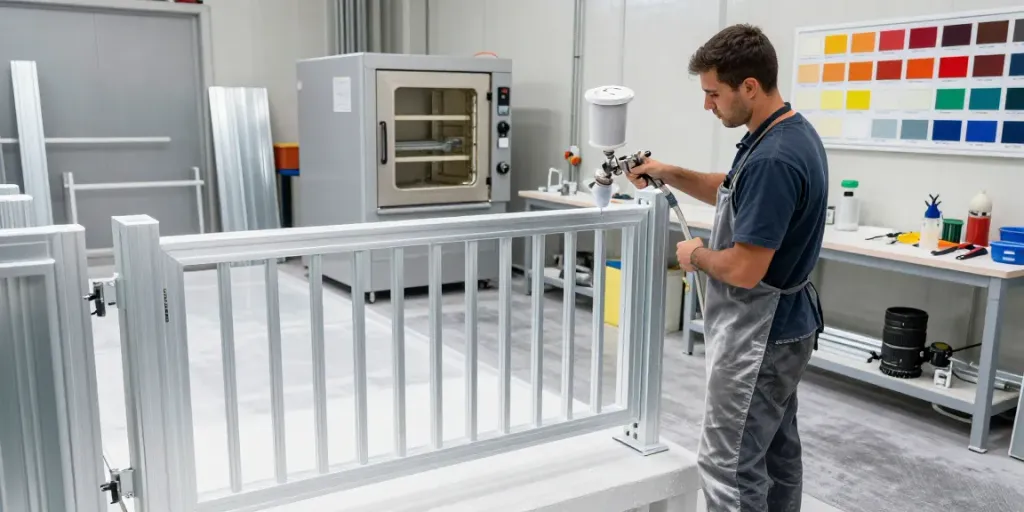
Powder coating is applied using electrostatic spray guns, which charge the powder particles and allow for even distribution over the metal surface. The charged particles adhere to the grounded surface until cured in an oven, where they melt and fuse into a solid layer. This method ensures that every nook and cranny of the item is evenly coated.
Curing and Final Touches
After application, items must be cured in an oven at a specified temperature for a set amount of time, which allows the powder to flow out and form a uniform film. Following curing, any quality checks should be conducted to ensure consistency and durability of the finish.
Choosing the Right Powder Coating
When selecting a powder coating for your project, several factors should be considered to ensure you achieve the desired results.
Types of Powder Coating Finishes Available
Powder coatings come in various types, including smooth, textured, glossy, matte, and metallic finishes. Each type serves different aesthetic and functional purposes, so it’s important to choose one that aligns with both the design vision and the environment in which it will be used.
How to Select Colors and Textures
Color selection is not only a matter of aesthetics but also influences heat absorption and reflective properties. Lighter colors tend to reflect heat, making them suitable for outdoor applications in sunny environments while darker hues can absorb heat and may not be ideal for certain situations.
Understanding Environmental Considerations
Consideration of the environmental factors, such as salt spray in coastal areas, is crucial when choosing a powder coating. Coastal conditions can accelerate corrosion, so selecting a powder with enhanced resistance to these elements will ensure longevity and durability.
Common Challenges in Powder Coating
Despite its many advantages, powder coating is not without its challenges. Understanding these potential hurdles is essential for achieving the best outcomes.
Addressing Surface Preparation Issues
Inadequate surface preparation can lead to poor adhesion and premature failure of the finish. It is crucial to ensure that surfaces are properly cleaned, free from contaminants, and prepared to promote optimal bonding.
Avoiding Common Application Mistakes
Common mistakes in the application process, such as improper technique or inconsistent powder thickness, can lead to defects like runs, sags, or uneven finishes. Training and experience are key to mastering the application process.
Dealing with Environmental Factors Effectively
Environmental factors, including temperature and humidity, can greatly affect the outcome of powder coating. High humidity can cause issues with curing, while extreme temperatures can impact the flow and adhesion of the powder.
Future Trends in Powder Coating
The powder coating industry is continuously evolving, with innovations shaped by market demands and environmental regulations. As we look toward the future, several trends are emerging.
Emerging Technologies and Innovations
One significant trend is the development of thermoplastic powder coatings that offer increased flexibility and chemical resistance. Additionally, advancements in application technologies, like automated systems, are streamlining the process and improving efficiency.
Market Predictions for 2026 and Beyond
Industry analysts predict a steady growth in the powder coating market, driven by its increasing adoption in various sectors, including automotive, industrial, and architectural applications. This growth is likely to be fueled by the demand for durable and environmentally friendly finishes.
How Sustainability is Shaping the Industry
Sustainability continues to be a significant factor influencing the powder coating industry. Manufacturers are focusing on creating eco-friendly powders with low VOC emissions and improved recyclability, aligning with global sustainability goals.
What are common applications of powder coating?
Powder coating is widely used in various applications, including automotive parts, architectural elements, furniture, and consumer goods. Its versatility makes it suitable for both functional and decorative finishes across industries.
How does powder coating improve durability?
The process enhances durability by creating a tough, flexible coating that can withstand impacts, abrasions, and environmental conditions. This resilience prolongs the lifespan of the finished product.
What costs should I consider for powder coating?
When budgeting for powder coating, consider factors such as preparation time, materials, and labor. Prices can vary based on the complexity of the project and the specific requirements of the coating process.
Can I powder coat items myself?
While it is possible for individuals to powder coat at home using kits available on the market, professional services are recommended for optimal results, especially for large or complex items.
What safety precautions are needed for powder coating?
Safety is paramount when powder coating. Proper ventilation, personal protective equipment (PPE), and adherence to safety guidelines are essential to mitigate risks associated with the inhalation of powder particles and other hazards.