Understanding CIKA4D and Indoor Agriculture
As the demand for sustainable agricultural practices grows, indoor agriculture has emerged as a significant solution for addressing food security and environmental challenges. cika4d, in collaboration with DAG facilities, provides cutting-edge design and construction services tailored to the needs of indoor agriculture. This article explores how CIKA4D revolutionizes the landscape of indoor farming, enhancing growth conditions and operational efficiency.
What is CIKA4D?
CIKA4D is a comprehensive solution that integrates modern design principles and advanced technology to optimize indoor agricultural environments. Specializing in grow rooms and vertical farming, CIKA4D aims to create controlled horticulture facilities that meet the specific needs of various crops and cultivation techniques. Their approach involves a thorough planning process that ensures every element, from lighting to climate control, is tailored to enhance plant growth.
The Importance of Indoor Agriculture
Indoor agriculture plays a crucial role in contemporary food systems, particularly in urban areas where traditional farming is limited. By utilizing controlled environments, indoor farming allows for year-round crop production, significantly reducing dependency on seasonal variations. This innovative approach not only maximizes yield but also minimizes water usage and pesticide dependency, making it an essential component of sustainable agriculture.
Key Benefits of Using CIKA4D Technologies
- Optimized Growth Conditions: CIKA4D employs advanced technology to ensure optimal light, temperature, humidity, and air circulation, which are essential for plant health.
- Increased Yield: By fine-tuning environmental factors, facilities can achieve higher productivity levels compared to traditional farming.
- Resource Efficiency: CIKA4D’s systems are designed to maximize resource use, enhancing energy efficiency and lowering operational costs.
- Sustainability: The technology promotes eco-friendly practices by minimizing waste and using renewable energy sources.
Design Principles for Indoor Farming
Creating Optimal Growth Environments
Designing an effective indoor farming facility requires a thorough understanding of plant physiology and environmental variables. The key is creating a growth environment that meets the specific needs of the crops being cultivated. This includes selecting the right materials for construction, integrating efficient HVAC systems, and employing precision agriculture techniques to monitor plant health.
Key Design Elements Every Facility Needs
- Lighting: LED technology has transformed indoor farming by providing energy-efficient solutions that deliver the precise light spectrum needed for photosynthesis.
- Ventilation: Proper airflow is essential for maintaining temperature and humidity levels, preventing mold growth, and ensuring optimal plant transpiration.
- Water Management: Advanced irrigation systems, such as hydroponics and aeroponics, allow for efficient water usage and nutrient delivery.
- Space Utilization: Vertical farming techniques enable maximized space usage, allowing growers to increase their output without requiring additional land.
Utilizing Technology for Innovative Solutions
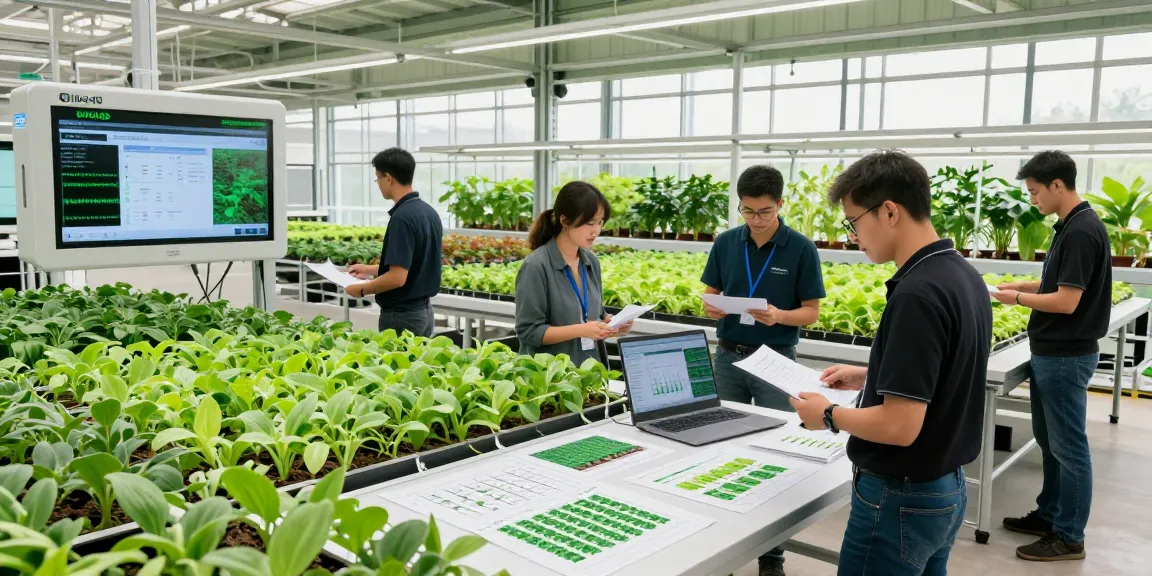
Technology plays a pivotal role in indoor farming, from automation systems that manage irrigation and lighting to sensor technologies that monitor plant health in real-time. CIKA4D integrates various technologies, including IoT solutions, AI, and machine learning, to create smart farms that respond dynamically to environmental changes.
Project Implementation with CIKA4D
Steps for Successful Indoor Agriculture Projects
Implementing an indoor agriculture project with CIKA4D involves several critical steps:
- Consultation: Initial consultations help define the project goals, budget, and timeline.
- Design: Tailoring a design that reflects the specific needs of the crops and operational practices.
- Construction: Utilizing high-quality materials and construction practices to build a facility that meets industry standards.
- Commissioning: Testing all systems to ensure they function as intended before going live.
- Training: Providing training for staff to operate and maintain the facility effectively.
Common Challenges and How to Overcome Them
Indoor agriculture presents unique challenges, including high initial costs and technological complexities. CIKA4D addresses these issues by offering tailored financing options and comprehensive training programs. Additionally, ongoing support ensures that facility operators can adapt to evolving technologies and market demands.
Case Study: A Successful CIKA4D Project
One notable project involved the construction of a multi-layer vertical farm in an urban setting. CIKA4D collaborated closely with the client to design a facility capable of producing leafy greens year-round. By implementing cutting-edge hydroponic systems and energy-efficient lighting, the project achieved a 50% reduction in water usage and a significant increase in crop yield compared to traditional farming methods.
Energy Efficiency and Sustainability in Indoor Agriculture
Best Practices for Energy Management
Effective energy management is crucial in indoor agriculture, where energy costs can significantly impact overall profitability. CIKA4D recommends several best practices:
- LED Lighting: Transitioning to energy-efficient LED lighting can reduce energy consumption by up to 70%.
- Smart Controls: Utilizing smart controls to monitor and adjust energy use based on real-time data can optimize resource consumption.
- Renewable Energy Sources: Integrating solar energy systems can reduce reliance on grid energy, contributing to sustainability.
Evaluating Sustainability Metrics
To assess the sustainability of an indoor agriculture operation, it’s essential to track various metrics, such as energy consumption, water usage, and waste production. CIKA4D provides clients with tools to monitor these metrics, allowing for data-driven decisions that enhance sustainability efforts.
Future Trends in Sustainable Indoor Farming
As technology evolves, several trends are emerging in sustainable indoor farming, including:
- Vertical Integration: Farms are increasingly integrating various processes from seed to sale, enhancing efficiency and traceability.
- Genetic Optimization: Advancements in plant genetics are leading to more resilient and productive crop varieties suitable for indoor conditions.
- Decentralized Production: The rise of localized farming solutions is reducing food miles and improving freshness.
Getting Started with CIKA4D: Resources and Support
Tools and Applications for Indoor Agriculture
CIKA4D offers a range of tools and applications designed to facilitate the planning, operation, and management of indoor farming facilities. These resources help operators streamline processes and improve productivity.
Accessing CIKA4D Resources
Clients can access a wealth of resources through the CIKA4D platform, including design templates, operational guidelines, and troubleshooting support. This comprehensive library empowers users to make informed decisions throughout their agricultural journey.
Frequently Asked Questions About CIKA4D
Many potential clients have questions regarding the capabilities and offerings of CIKA4D. Common inquiries include project timelines, customization options, and support services. Addressing these FAQs ensures transparency and builds trust with prospective clients.
How to Contact CIKA4D for Assistance?
For further assistance, interested parties can easily contact the CIKA4D team via their official website or through social media channels. The support team is dedicated to providing prompt and informative responses to all inquiries.