
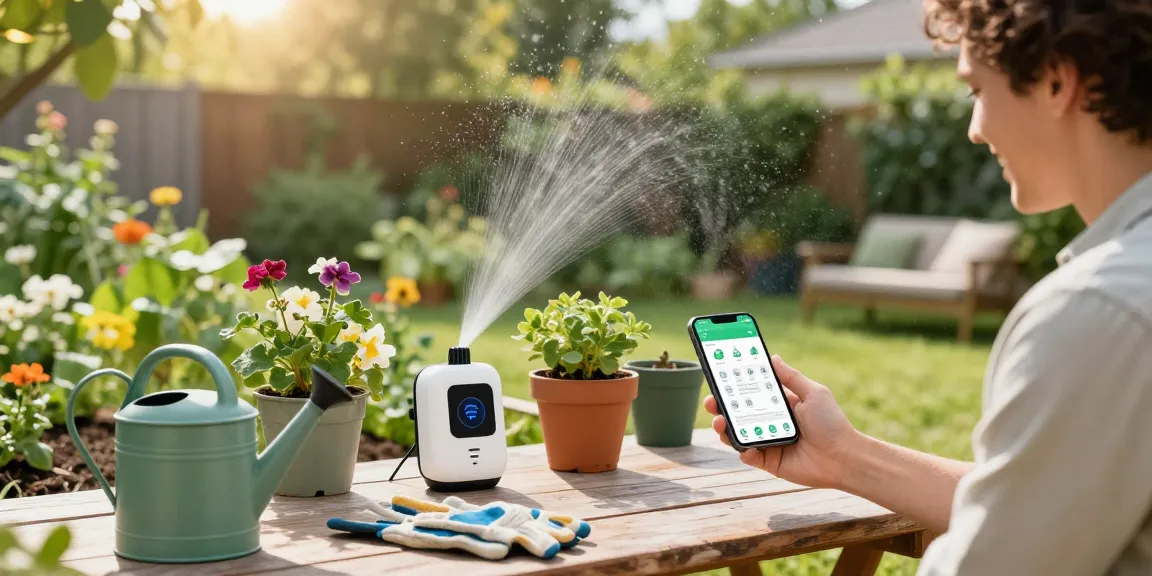
Understanding the Wifi Sprinkler Controller
A wifi sprinkler controller is a revolutionary device designed for modern gardening and landscaping. By blending technology with traditional irrigation methods, these controllers allow homeowners to manage their watering schedules remotely, ensuring that plants receive the right amount of water at the right time. This innovative solution not only simplifies gardening but also promotes water conservation, a critical issue as climate change continues to challenge water resources worldwide. When exploring options, wifi sprinkler controller systems provide comprehensive insights into water usage, helping gardeners optimize their irrigation practices.
What is a Wifi Sprinkler Controller?
At its core, a wifi sprinkler controller is an automated irrigation system that connects to your home’s Wi-Fi network, enabling remote access via a smartphone or tablet. This technology allows users to set watering schedules, adjust settings based on weather conditions, and monitor water consumption. Unlike traditional timers, a wifi sprinkler controller can adapt to real-time data, optimizing water usage while maintaining healthy plants.
Key Features of Wifi Sprinkler Controllers
- Remote Access: Control your irrigation system from anywhere using a mobile app.
- Weather Adjustments: Automatically adjust schedules based on real-time weather data, avoiding over-watering during rainy days.
- Soil Moisture Sensors: Monitor soil moisture levels to water only when necessary, promoting water conservation.
- Zone Management: Manage multiple zones in your garden separately for tailored watering schedules.
- Historical Data Tracking: Review water usage data to understand your consumption patterns and adapt accordingly.
Benefits of Using Smart Irrigation Systems
The advantages of incorporating a wifi sprinkler controller into your gardening strategy are numerous. First and foremost, these systems significantly reduce water waste, which is crucial for sustainability. Additionally, the convenience of managing irrigation schedules from your smartphone saves time and effort, allowing gardeners to focus on other important tasks. Moreover, the ability to analyze water usage through these devices leads to smarter gardening practices and potential cost savings on water bills.
Comparing Wifi Sprinkler Controllers with Traditional Systems
Efficiency and Water Conservation
When comparing wifi sprinkler controllers to traditional systems, efficiency stands out as a major difference. Traditional timers operate on fixed schedules, often leading to over-watering or under-watering based on fluctuating weather conditions. In contrast, smart controllers utilize weather forecasts and soil moisture data to adjust watering times, minimizing waste and promoting healthier plants. This precision not only conserves water but also enhances the growth of your garden.
Ease of Use and Automation
Another significant advantage of wifi sprinkler controllers is their user-friendly nature. Setting up a traditional system often involves complex configurations and manual adjustments, which can be time-consuming and prone to human error. Wifi controllers, however, come with intuitive mobile applications that simplify the entire process. Users can quickly set schedules, make adjustments, and even monitor their irrigation settings via their smartphones, ensuring a hassle-free experience.
Cost Analysis: Short-Term vs Long-Term Savings
While the initial investment in wifi sprinkler controllers may be higher than traditional systems, the long-term savings can be substantial. By drastically reducing water waste and optimizing irrigation schedules, homeowners often see a decrease in their water bills over time. Furthermore, many smart controllers are designed to be durable and require less maintenance than older systems, providing additional savings on repairs and replacements.
Installing Your Wifi Sprinkler Controller: Step-by-Step Guide
Preparation: Tools and Requirements
Installing a wifi sprinkler controller requires minimal tools but sufficient planning. Before you start, gather the necessary tools, including a screwdriver, adjustable wrench, and perhaps a drill for mounting. It’s also essential to ensure that your Wi-Fi network is strong in your garden area, as this will affect the controller’s performance.
Connecting to Wifi and Setting Up the App
Once you’ve installed your controller, the next step is connecting it to your Wi-Fi network. Most controllers come with an app that guides you through the process, making it straightforward. You’ll simply need to open the app, follow the on-screen instructions, and input your Wi-Fi credentials to establish a connection.
Adjusting Settings for Optimal Performance
After successfully connecting your controller, you can begin to adjust the settings according to your garden’s needs. This includes inputting information about your plants, setting zones for different areas of your garden, and adjusting the watering schedule based on your local climate. The ability to tailor these settings helps in achieving optimal growth while conserving water.
Common Challenges and Solutions
Addressing Connectivity Issues
Connectivity issues can sometimes arise with wifi sprinkler controllers. If you experience difficulties, first ensure that your Wi-Fi signal is strong in the area of your controller. If the signal is weak, consider relocating your router or utilizing Wi-Fi extenders to boost coverage.
Ensuring Compatibility with Existing Systems
Before purchasing a wifi sprinkler controller, it is crucial to check its compatibility with your existing irrigation system. Most modern controllers are designed to work with standard systems, but verifying compatibility will save you time and hassle during installation.
Troubleshooting Common Problems
Common issues may include app connectivity problems, unresponsive zones, or incorrect sensor readings. Consult the user manual that comes with your controller for troubleshooting tips or reach out to customer support for guidance. Many manufacturers provide excellent resources to help you resolve issues quickly.
Future Trends in Smart Irrigation
Emerging Technologies in Gardening
The future of gardening is bright with advancements in technology. Innovations such as AI-driven irrigation systems, which can learn and adapt to the specific needs of your garden over time, are on the horizon. Additionally, integration with smart home systems may become commonplace, offering seamless management of your gardening practices alongside other household functions.
Eco-Friendly Innovations for Water Management
As the importance of eco-friendliness rises, we can expect to see more eco-friendly innovations in water management. This includes rainwater harvesting systems that work in tandem with wifi sprinkler controllers to optimize water usage while reducing reliance on municipal supplies.
Predictions for Smart Gardening in 2026
By 2026, smart gardening will likely incorporate more predictive analytics, helping gardeners understand optimal planting schedules and watering needs based on regional climate data. As technology continues to evolve, we can anticipate more user-friendly interfaces and enhanced connectivity features that will further simplify the gardening experience.
What are the benefits of using a wifi sprinkler controller?
The benefits of using a wifi sprinkler controller include precise control over irrigation schedules, enhanced water conservation, and the convenience of remote management through a smartphone app. These devices proactively respond to environmental changes, ensuring gardens are watered appropriately while minimizing waste.
Can I use a wifi sprinkler controller with existing irrigation systems?
Yes, most wifi sprinkler controllers are designed to be compatible with existing irrigation systems. However, it is crucial to verify compatibility before purchase to ensure proper functionality.
How does a wifi sprinkler controller save water?
A wifi sprinkler controller saves water by utilizing real-time weather data and soil moisture sensors to adjust irrigation schedules. This prevents over-watering and promotes efficient water use, ultimately leading to healthier plants and reduced water bills.
What features should I look for in a wifi sprinkler controller?
When selecting a wifi sprinkler controller, look for features such as remote access, weather adjustments, soil moisture sensors, zone management, and historical data tracking. These functionalities will enhance your gardening experience and promote optimal plant growth.
Are wifi sprinkler controllers reliable in different weather conditions?
Generally, wifi sprinkler controllers are built to withstand various weather conditions. However, their reliability will depend on installation quality and connectivity to the internet. Ensuring a strong Wi-Fi signal in your garden will enhance their effectiveness.