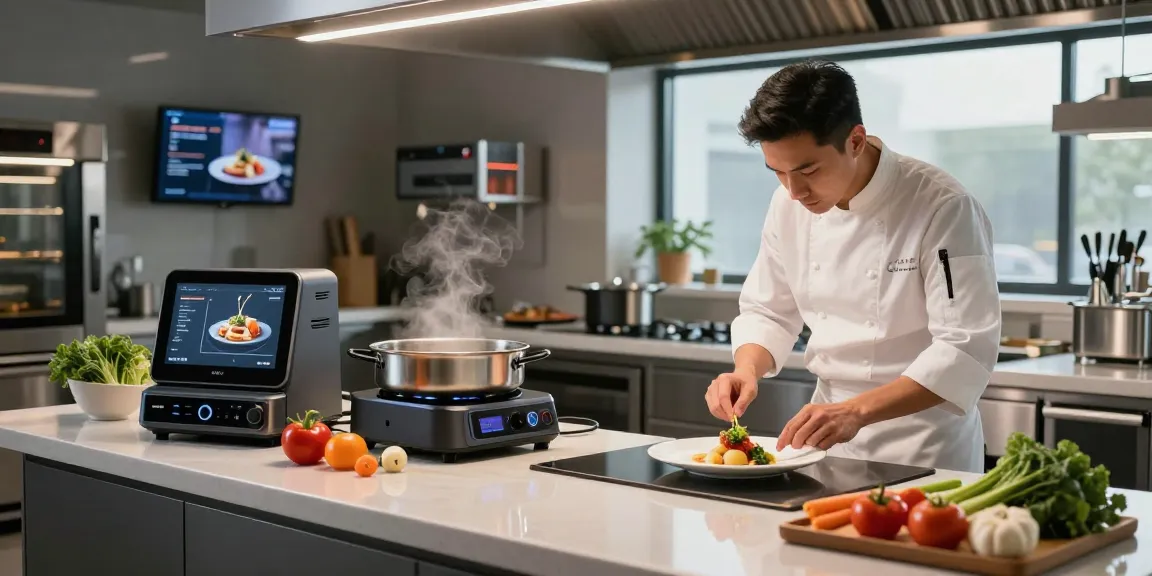
The Evolution of Gourmeticat Technology in Culinary Arts
The culinary landscape has undergone a profound transformation over the past few decades, largely due to advancements in technology. Today, the integration of digital tools, artificial intelligence (AI), and innovative cooking techniques has redefined how we approach food preparation and dining experiences. Gourmeticat technology epitomizes these changes, representing a convergence of culinary artistry and cutting-edge scientific understanding. As we delve into the evolution of culinary technology, we'll explore its historical roots, key influencers, and emerging trends shaping the future of gastronomy.
Historical Overview of Food Tech Innovations
The history of food technology can be traced back to ancient civilizations that utilized rudimentary methods to preserve and enhance flavors. The invention of techniques such as fermentation, drying, and curing marked the onset of food preservation, leading to the development of culinary arts as we know them today. Moving forward, the Industrial Revolution introduced mechanization, enabling mass production and distribution of food items, which subsequently paved the way for convenience foods.
In the late 20th century, the advent of computer technology opened new avenues for culinary experimentation. Chefs began to embrace food science, leading to the emergence of molecular gastronomy—a discipline that explores the physical and chemical transformations of ingredients during cooking. This revolutionary approach has laid the groundwork for modern culinary professionals to leverage technology in their kitchens.
Key Players Influencing Gourmeticat Technology
As the culinary technology landscape continues to evolve, several key players are at the forefront of innovation. Renowned chefs and culinary schools are experimenting with AI-powered tools and robotic kitchens to enhance efficiency and creativity in meal preparation. For instance, chefs like Grant Achatz and Ferran Adrià have pioneered the use of technology to push the boundaries of flavor and presentation, inspiring a new generation of culinary innovators.
Additionally, tech companies specializing in kitchen gadgets and appliances are introducing smart cooking devices that offer precision control and ease of use. From sous-vide machines to smart ovens equipped with AI capabilities, these tools empower home cooks and professional chefs alike to produce gourmet-quality dishes with minimal effort.
Emerging Trends in Culinary Technology for 2026
Looking ahead to 2026, several trends are poised to revolutionize the way we experience food and cooking. The rise of personalized nutrition, driven by AI and data analytics, allows consumers to tailor their diets to their specific health needs and preferences. Smart kitchen systems are also becoming more integrated, enabling seamless connectivity between devices and the user.
Sustainability is another focal point, with technology facilitating practices that reduce food waste and promote eco-friendly sourcing. Advances in vertical farming and hydroponics are transforming how we grow ingredients, ensuring that fresh produce is readily available year-round, regardless of climate conditions.
Impact of Gourmeticat Technology on Cooking Techniques
With the advent of modern culinary technology, traditional cooking techniques have been redefined, enabling chefs to explore new horizons in flavor and presentation. The integration of gadgets and digital tools facilitates precision cooking, leading to remarkable culinary outcomes.
How AI is Revolutionizing Recipe Development
Artificial Intelligence is reshaping the landscape of recipe development. Innovative platforms analyze vast amounts of culinary data, from ingredient pairings to consumer flavor preferences, allowing chefs to create unique combinations. AI-driven software can generate recipes that cater to dietary restrictions or specific nutritional goals, making cooking more accessible and personalized for home chefs.
Furthermore, AI can adapt existing recipes to enhance efficiency. By calculating optimal cooking times and temperatures, these tools ensure perfect results every time, reducing the margin for error that often accompanies traditional cooking methods.
Precision Cooking: The Role of Advanced Tools
The importance of precision in modern cooking cannot be overstated. Advanced tools such as sous-vide machines and infrared thermometers allow for exact temperature control, which is crucial for achieving desired textures and flavors. Sous-vide cooking, in particular, has gained popularity among both professional chefs and home cooks, as it ensures even cooking and enhances the natural taste of ingredients.
Additionally, tools that incorporate machine learning algorithms can suggest adjustments based on user feedback. For example, smart ovens can alter cooking times and temperatures based on the specific characteristics of a dish, ensuring it is cooked to perfection.
Case Studies of Innovative Chefs Using Technology
Several innovative chefs are leading the charge in integrating technology into their culinary practices. For instance, chef José Andrés employs advanced culinary techniques and technology, such as fermentation and cryogenic freezing, to reimagine traditional Spanish dishes with a modern twist. His approach not only elevates the dining experience but also promotes sustainability through thoughtful ingredient sourcing.
Another example is chef Dan Barber, recognized for his commitment to sustainable practices, who utilizes technology to optimize farm-to-table practices. By implementing data-driven insights into crop selection and harvesting, he aims to enhance flavor profiles while minimizing environmental impact.
Consumer Engagement and Gourmeticat Technology
As culinary technology continues to advance, understanding consumer engagement becomes crucial. With evolving preferences and increasing awareness of health and sustainability, technology must adapt to meet consumer needs effectively.
Understanding Consumer Preferences in 2026
By 2026, consumers are expected to place even greater emphasis on health-conscious options and sustainable sourcing practices. Data suggests that 70% of consumers prioritize healthy eating, driving demand for transparent ingredient sourcing and personalized meal options. Technologies that help track nutritional value and ingredient origins will resonate strongly with this demographic.
The Importance of User Experience in Kitchen Tech
User experience plays a critical role in the adoption of kitchen technology. Devices that offer intuitive interfaces, easy setup, and seamless connectivity with other tools are more likely to be embraced by consumers. For instance, smart kitchen gadgets equipped with voice-activated capabilities can simplify cooking processes, making them appealing to a broader audience.
How Technology is Enhancing Culinary Experiences
Technology is enhancing culinary experiences by providing immersive and interactive dining options. Virtual reality (VR) and augmented reality (AR) are being utilized in restaurants to offer unique dining experiences that go beyond traditional food presentation. By engaging multiple senses, these technologies create memorable moments and foster a deeper connection between diners and their meals.
Challenges and Misconceptions Surrounding Gourmeticat Technology
Despite the numerous advancements in culinary technology, there are still challenges and misconceptions that persist within the industry.
Common Myths About Food Tech and Cooking
One common myth is that technology diminishes the artistry of cooking. In reality, culinary technology complements chefs' skills, allowing for greater creativity and innovation. Furthermore, the notion that high-tech cooking is exclusively for professional chefs is misleading; many tools are designed for use in home kitchens, fostering engagement and enjoyment in home cooking.
Addressing the Skills Gap in Tech-Driven Kitchens
As kitchens become increasingly tech-driven, there is a growing skills gap that needs to be addressed. Culinary schools and training programs must adapt curricula to incorporate training on new technologies and techniques. Offering hands-on experience with modern tools can help bridge this gap, ensuring that future chefs are well-equipped to navigate the evolving landscape of gastronomy.
Regulatory Considerations for New Culinary Technologies
The integration of technology in the culinary arts brings forth regulatory considerations that must be addressed. As innovations continue to emerge, regulatory bodies need to establish guidelines to ensure food safety and quality. Transparency in sourcing ingredients and ethical practices in food production are essential for consumer trust and credibility in the culinary industry.
Looking Ahead: The Future of Gourmeticat Technology
The future of culinary technology is bright, with numerous innovations on the horizon that have the potential to reshape how we cook and experience food.
Predictions for Culinary Tech Innovations by 2026
By 2026, we can expect to see a surge in AI-driven culinary assistants that will help consumers plan meals, optimize shopping lists, and even provide cooking tutorials based on individual skill levels. Furthermore, advancements in biotechnology may lead to the development of enhanced flavor profiles through gene editing, allowing chefs to create innovative dishes that were previously unimaginable.
The Role of Sustainability in Future Culinary Practices
Sustainability will remain a driving force in the culinary industry. Technologies that promote waste reduction, such as smart inventory tracking systems, will become essential tools for restaurants looking to minimize environmental impact. Consumer interest in plant-based diets will also spur technology that enhances the flavor and texture of alternative protein sources.
Potential Careers in Gourmeticat Technology
The integration of gourmeticat technology in culinary arts opens new avenues for career opportunities. Positions such as food technologists, culinary data analysts, and sustainability coordinators are becoming increasingly relevant. As technology continues to permeate the culinary industry, individuals with a blend of culinary and tech skills will be in high demand.
What are the benefits of using technology in cooking?
Utilizing technology in cooking enhances precision, reduces energy consumption, and fosters creativity through innovative techniques. Smart devices can streamline meal planning and preparation, making cooking more efficient and enjoyable.
How can I integrate gourmeticat technology into my kitchen?
Incorporating gourmeticat technology into your kitchen can be achieved by starting with basic smart appliances, such as a smart oven or sous-vide cooker, which can assist in achieving gourmet results. Additionally, exploring apps that offer personalized recipes based on your preferences can elevate your cooking experience.
What skills are necessary for careers in food technology?
Careers in food technology require a blend of culinary skills and technical proficiency. Understanding food science principles, data analysis, and familiarity with various kitchen technologies are vital for success in this field.
Are there any downsides to using advanced cooking technologies?
While advanced cooking technologies offer numerous benefits, there can be downsides, including a steep learning curve for some devices and potential over-reliance on technology, which may detract from traditional cooking skills.
How is consumer behavior changing in the food tech landscape?
Consumers are increasingly prioritizing health, sustainability, and convenience in their food choices. The rise of digital platforms that promote transparency in sourcing and nutrition is shaping purchasing decisions and dining experiences.